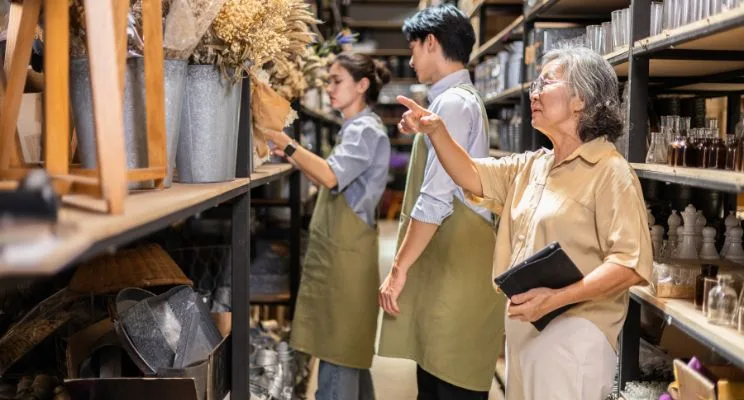
Grandparents leave behind more than fond memories and family traditions. You also pass along values that shape how future generations think. Through conversations, shared experiences, and everyday actions, you can help grandchildren build financial habits that last a lifetime. Here are a few values worth sharing:
We take care of what we own.
If a grandchild’s bike starts squeaking or the tires need air, spend an afternoon cleaning it, lubricating the chain, and making simple repairs together instead of immediately replacing it. This teaches that taking care of your belongings can extend their life, save money, and build an appreciation for what you already own.
We don’t chase every trend.
If everyone seems to have the latest gadget or fashion, talk about why it’s okay to wait or skip it altogether. What’s a trend that was popular when you were young, that in hindsight might seem silly and relatable? Choosing not to follow every trend builds confidence and helps children avoid spending simply to fit in.
We know the difference between price and value.
Sometimes spending a little more upfront makes sense if something will last for years. Comparing two backpacks, pairs of shoes, or kitchen tools can help grandchildren understand that the lowest price isn’t always the best value.
We leave things better than we found them.
Whether it’s returning a borrowed tool in better condition or cleaning up after a family picnic, connect stewardship with financial responsibility. Taking care of shared resources is another way of respecting value.
We invest for the long term.
For older grandchildren, consider co-managing a small custodial investment account. Review it together every few months and discuss why investments rise and fall. It’s an opportunity to teach patience, diversification, and the value of staying focused on long-term goals.
We give because we care.
Invite your grandchild to choose a cause that’s meaningful to them and donate a small portion of birthday money or holiday gifts. They’ll learn that generosity isn’t measured by the size of the gift but by the desire to help others.
We don’t waste what we have.
Before making a trip to the grocery store, challenge your grandchild to help create a meal from ingredients already in the pantry. It’s a simple way to show that creativity and resourcefulness can save money and reduce waste.
These lessons are often most effective when they come through shared experiences rather than speeches. Fixing a bike together, comparing products at the store, or talking through an investment decision can spark meaningful conversations without sounding like “back in my day” or “kids these days.” By leading with curiosity instead of criticism, grandparents can share timeless financial values in ways that resonate with the next generation.